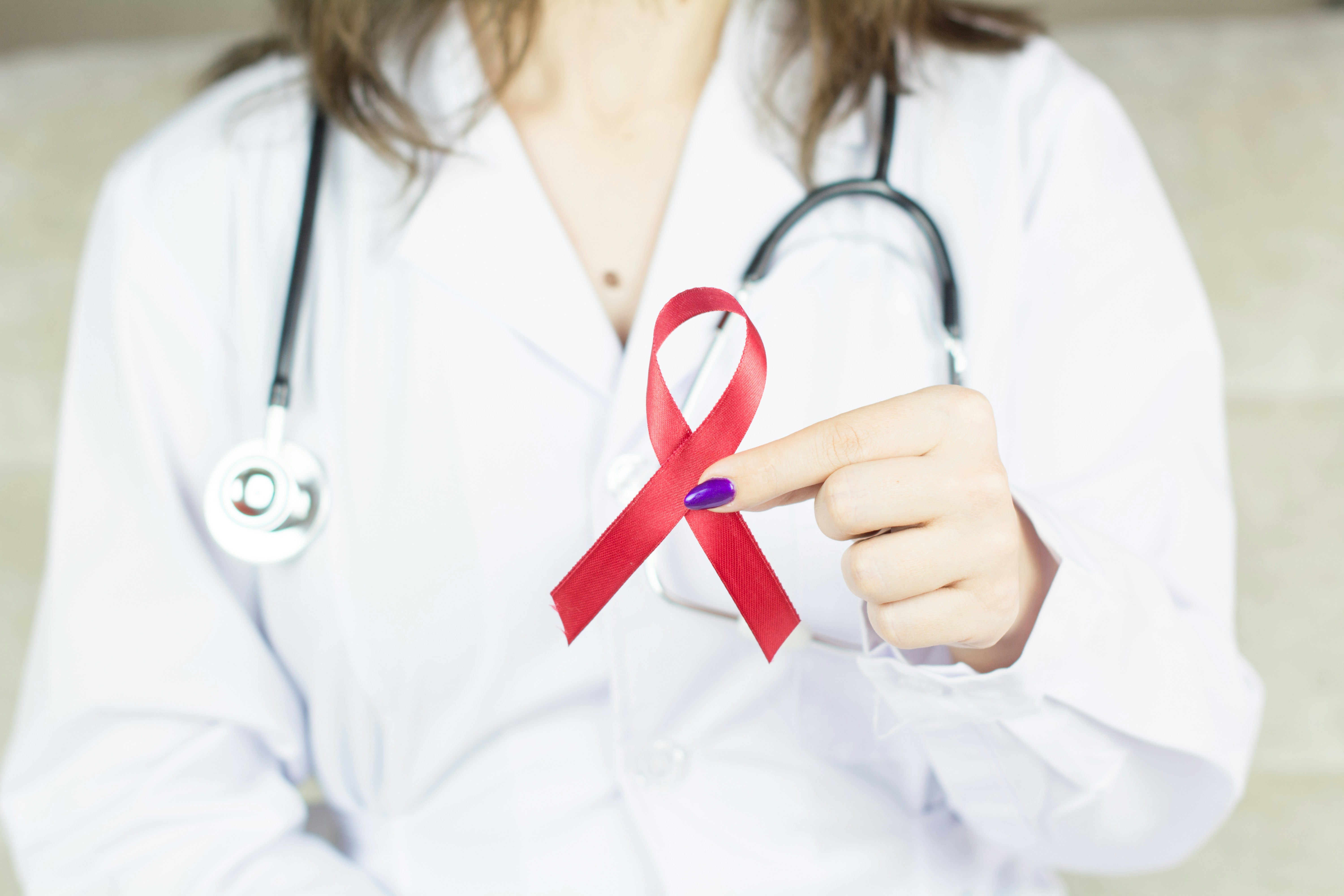
Johannesburg, South Africa — More than four decades since the emergence of HIV/AIDS in the early 1980s, Africa remains at the epicenter of the global epidemic. Tremendous progress has been made in reducing new infections and expanding access to treatment, but deep-rooted challenges persist—threatening to undo years of hard-won gains unless addressed with urgency and commitment.
The Currant State
Sub-Saharan Africa continues to bear the greatest burden of the epidemic, accounting for nearly 67% of the global HIV population as of 2023, according to UNAIDS. Approximately 25.6 million people in the region are living with HIV, with South Africa, Nigeria, Mozambique, Tanzania, and Kenya most heavily affected.
Encouragingly, new HIV infections have dropped by over 40% since 2010, thanks to aggressive public health campaigns, increased testing, and broader access to antiretroviral therapy (ART). Countries such as Rwanda, Botswana, and Eswatini are nearing the UNAIDS 95-95-95 targets:
- 95% of people living with HIV know their status
- 95% of those diagnosed are on treatment
- 95% of those on treatment achieve viral suppression
The Youth Factor
Young people—especially adolescent girls and young women aged 15–24—remain disproportionately affected. In high-burden countries, up to six in ten new infections occur among young women. Contributing factors include gender inequality, poverty, and lack of access to sexual and reproductive health services.
“We cannot win the war on HIV unless we confront the structural inequalities that perpetuate its spread,” says Dr. Mpho Ndaba, a health policy expert based in Durban. “Empowering youth with education, economic opportunities, and healthcare access is not optional—it’s essential.”
Stigma and Silence
Despite scientific breakthroughs and awareness campaigns, stigma and discrimination still plague many African communities. People living with HIV often face isolation, job loss, and even abuse—barriers that prevent others from getting tested or seeking care.
Faith-based organizations, traditional leaders, and media houses are being called upon to help reshape public narratives—from shame and fear to support and solidarity.
Access and Inequality
While ART is now more widely available and affordable, significant gaps remain, particularly in rural and remote areas. Under-resourced clinics, supply chain challenges, and healthcare worker shortages often lead to treatment interruptions and preventable deaths.
In areas affected by conflict and instability—such as parts of Sudan, the Democratic Republic of Congo (DRC), and countries across the Sahel—HIV services have been severely disrupted, leaving vulnerable populations at even greater risk.
The Way Forward
There is hope on the horizon. Innovations such as long-acting injectable antiretrovirals and pre-exposure prophylaxis (PrEP) offer powerful tools for prevention and treatment. Community-based care models and digital health platforms are making it easier than ever for people to access testing, counseling, and support.
Governments, global partners, and civil society must continue to invest in African-led HIV responses, expand youth-centered programs, and address the socio-economic drivers of the epidemic.
A Call to Action
As the continent looks toward 2030—the target year for ending AIDS as a public health threat—collaboration, innovation, and compassion will be Africa’s most vital weapons.
“The fight is not over,” says Nomfundo Khumalo, a 26-year-old HIV activist from KwaZulu-Natal. “But if we stand together, educate our communities, and demand justice, an AIDS-free Africa is within reach.”
Did You Know?
- As of 2023, over 85% of people living with HIV in Eastern and Southern Africa are on antiretroviral treatment.
- 9 in 10 children living with HIV globally are in sub-Saharan Africa.
- South Africa runs the world’s largest HIV treatment program, reaching over 5 million people with lifesaving care.